Panic bars, door closers, and safer commercial exits
Why commercial exits need more than just a lock
A storefront door that doesn’t open when people push against it is a safety hazard. In a busy retail shop, a restaurant, or an office building, the door hardware has to do more than keep the place secure after hours. It has to let people leave quickly and easily when they need to. That is where panic bars, door closers, and related hardware come into the picture. For anyone who manages a commercial property, understanding how these pieces work together makes a real difference in day-to-day safety and convenience.
What a panic bar does
A panic bar, sometimes called a push bar or crash bar, is the horizontal bar you see on the inside of many commercial doors. Pushing against it releases the latch so the door swings open. The idea is simple: no turning a knob, no fumbling with a key, just a straight push. In an emergency, that split-second difference matters. Building codes in most areas require panic bars on doors that serve as exits for spaces with a certain number of occupants. The bar must open the door with a single motion, and it must not require more than a specific amount of force to operate. That keeps the exit usable for people of all ages and abilities.
How panic bars work with access control
Modern panic bars often tie into a building’s broader security system. An electric strike or a magnetic lock can hold the door closed during business hours, but the panic bar still releases the latch when pushed from the inside. That means the door stays secure against unwanted entry from outside while remaining a safe exit for people inside. This combination is common in offices, schools, and retail stores. The hardware has to be wired and adjusted correctly so the door doesn’t bind or fail to latch. A commercial locksmith regularly handles this kind of installation and troubleshooting.
One important detail: the panic bar itself is mechanical. It works even if the power goes out or the electronic lock fails. That is a key safety feature. The electronic side controls entry from the outside, but the exit function is always mechanical. When you push, the door opens. No batteries, no wires, no hesitation.
Why door closers matter for safety and security
A door closer is the metal arm or box mounted at the top of a door that pulls it shut after someone passes through. It might seem like a small thing, but a door that stays open is a door that isn’t secure. It also lets drafts, noise, and smoke move freely between rooms. In a fire, a door that doesn’t close fully can let smoke spread much faster. Door closers are part of the fire protection plan for many commercial buildings. They ensure that fire-rated doors close and latch automatically, containing smoke and flames.
Closers come in different sizes and strengths. A heavy glass door needs a stronger closer than a hollow-core interior door. The closer also has to be adjusted so the door closes at a safe speed. If it slams shut, it can pinch fingers or damage the frame. If it closes too slowly, it might not latch at all. Adjusting the sweep speed and the latching action is something a professional does with a simple screwdriver, but it takes a feel for how the door behaves in different weather. Temperature changes can affect the hydraulic fluid inside the closer, so seasonal adjustments are sometimes needed.
Combining panic bars and door closers for smooth operation
When a door has both a panic bar and a door closer, the two have to work together. The closer pulls the door shut, and the panic bar’s latch has to engage cleanly with the strike plate on the frame. If the closer is too weak, the door might not pull fully into the latch position. If the closer is too strong, it can make the door hard to push open, which defeats the purpose of the panic bar. Getting this balance right is part of what a commercial locksmith does when setting up a door. It is not just about installing hardware; it is about making sure the whole system functions as intended every time.
Keypads, master keys, and restricted keys
Beyond the basic panic bar and closer, many commercial doors also use keypads or card readers for entry from outside. These devices control who can enter and when. They can be programmed to allow access only during certain hours, or to require a code plus a card for higher security. On the inside, the panic bar still works the same way. This layered approach is common in buildings that need commercial access control that balances security with safe egress.
Master key systems are another layer. In a building with many tenants or multiple departments, a master key lets one key open many doors while individual keys open only specific ones. This is convenient for maintenance staff, cleaning crews, or managers who need to move through the building. Restricted keys, which can only be cut by an authorized dealer, add another level of control. They prevent unauthorized duplication, so a tenant can’t simply get extra keys made at a hardware store.
Storefront doors and egress hardware
Storefront doors, the glass doors you see in most retail shops, often use a specific type of panic hardware called egress hardware. These devices are designed to match the slim profile of an aluminum door frame while still providing that push-to-open function. The hardware has to be strong enough to withstand repeated use and weather exposure. A door that gets opened hundreds of times a day needs robust bearings and corrosion-resistant materials. Cheap hardware wears out fast, leading to doors that sag, bind, or fail to latch. Investing in quality egress hardware from the start saves money and hassle over the long run.
One common issue with storefront doors is alignment. Over time, the door can settle or the frame can shift, causing the latch to miss the strike plate. When that happens, the door may not close fully or may rattle in the wind. A simple adjustment of the hinges or the strike plate usually fixes it. But if the problem is ignored, the latch can wear down or the closer can get damaged from the extra strain. Regular inspections catch these small problems before they become big ones.
What to check on your commercial doors
If you manage a commercial property, there are a few things you can look at without any tools. Push the panic bar and see if the latch releases cleanly. Watch the door close on its own and see if it latches without help. Listen for scraping or binding sounds. Check that the closer isn’t leaking oil (a puddle under the door is a sign). If the door feels heavy or sticks, it is worth having a professional look at it. These checks take a minute per door and can prevent a lot of trouble.
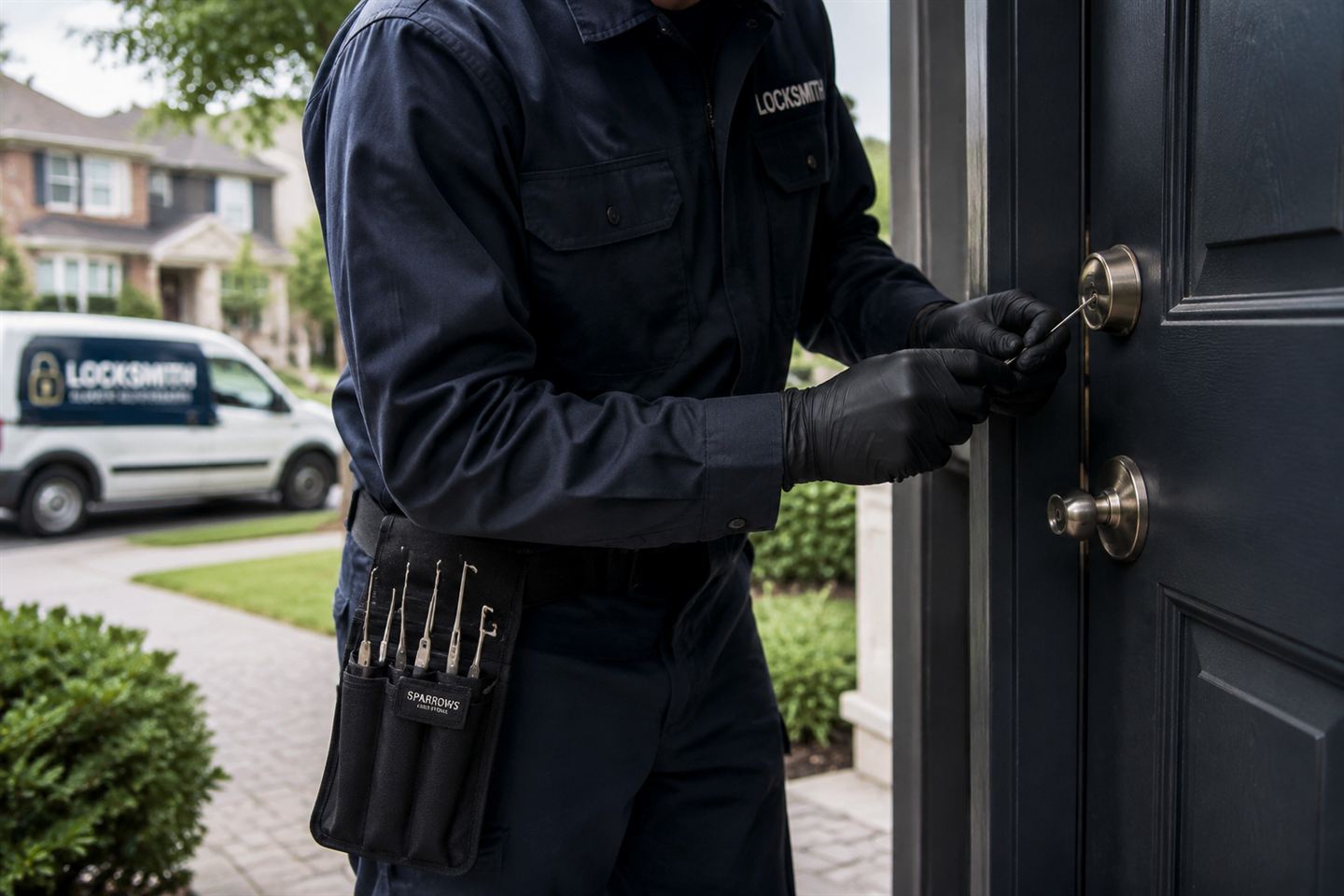
It is also worth knowing who to call when something goes wrong. A door that won’t latch is a security problem, but it is also a safety problem if it won’t stay closed in a fire. A qualified commercial locksmith can adjust or replace hardware, rekey locks, and set up master key systems. They also handle the more complex side of commercial access control, like integrating electronic locks with existing panic hardware. Having a reliable contact for that work means you can fix issues fast and keep your building safe and secure.
Keeping exits safe and reliable
Panic bars, door closers, and the rest of the exit hardware are not glamorous, but they are essential. They keep people safe when seconds count, and they keep the building secure the rest of the time. Understanding how they work and what to watch for helps you maintain them properly. And when something does need fixing, knowing that a professional can handle the balance of mechanical and electronic parts gives you peace of mind. A well-maintained door is a small thing that makes a big difference every day.